
A Parent’s Guide to Responding to Antisemitism at School
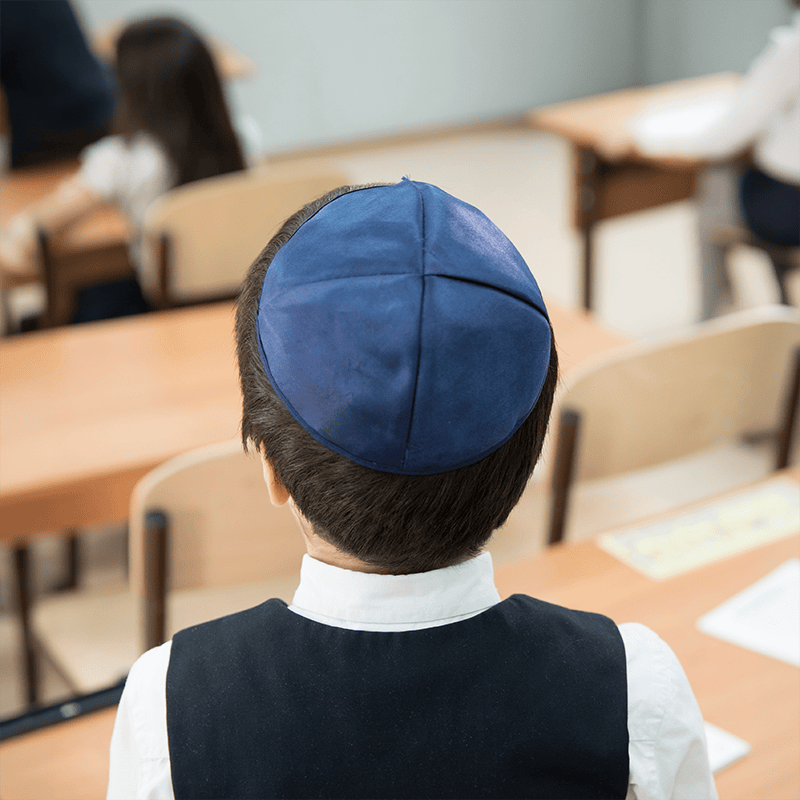
If your child experiences or witnesses' antisemitism at school, know that you are not alone. All students deserve to have a safe and inclusive learning environment. Taking action can help address the situation, support your child, and ensure the appropriate people are aware of what occurred.
1. Educate your child about inclusion and antisemitism from a young age.
Normalize speaking to your child about the importance of inclusion and that everyone deserves to feel respected at school and during sports. Model what it is like to be sensitive to other cultures in everyday interactions. Consider reading a book about bullying and antisemitism. Visit this resource for age-appropriate literature to address this difficult topic. How to Talk To Children About Antisemitism (pjlibrary.org)
Inform your child that it is safe to tell you or another trusted adult such as a teacher if they are being bullied or see someone being bullied.
2. Watch for signs of bullying in your child.
Bullying is a difficult thing to speak about and children, especially teens may shrink away from telling you about what is occurring for fear of social retribution, unrealistic perspectives about the scope of the problem, and ideas that the problem will just go away on it’s own. Signs to look out for include:
- Changes in behavior such as avoiding activities that are typically enjoyable
- Changes in their social dynamics; one common feature of bullying is pushing a child out of a social group
- Unexplainable injuries
- Lost, stolen, or damaged items without reasonable explanations
- Avoidance of attending school, sports, or any place that the child might see the bully
- Changes in mood, academic performance, or eating habits.
- Emotional disturbances and secretive phone use; to learn more, check out this list of Cyberbullying Warning Signs
- In younger children sudden stomach problems e.g “belly aches” might be signs of emotional distress.
3. Talk to your child.
If an incident occurs, listen carefully and gather as many details as possible, including the date, time, location, what was said or done, who was involved, and any witnesses. Document all information including any screenshots of hateful messages or images. Your child may be afraid to report the actions of their peers. Let your child know that small incidents can lead to big problems, thus it's important for them to share all the information. Affirm your child that they did the right thing by sharing their experience.
4. Contact your child's principal.
In most situations, we encourage parents to notify the school principal as soon as possible. Share the details of the incident over email and ask how the school plans to respond, what support will be provided to your child, and what steps will be taken to prevent similar incidents in the future. Keeping communication over email and notes after conversations is a helpful way to ensure that all information is clearly documented.
5. Use Safe2Say Something if your child is not comfortable reporting directly.
Some students may be hesitant to speak with parents or school staff to report an incident themselves. Pennsylvania's Safe2Say Something program provides a confidential way for students and others to report concerns. Learn more or submit a report at www.safe2saypa.org. Safe2Say reports can help ensure concerns reach the appropriate school officials while giving students another avenue to speak up.
6. Report the incident to the Jewish Federation of Greater Pittsburgh.
We encourage families to submit an incident report, even if the matter has already been reported to the school or through Safe2Say. Submit an Incident Report: jewishpgh.org/form/incident-report
How the Federation Can Support You
- Provide guidance and resources for families navigating antisemitic incidents
- Connect you with community support services
- Help identify patterns and trends affecting Jewish students across the region
- Support advocacy efforts that promote safe and welcoming learning environments
- Coordinate with community partners and law enforcement when appropriate
- Ensure that the experiences of Jewish students and families are documented and understood
Why Reporting Matters
Even if an incident seems minor or is resolved quickly, reporting helps build a clearer picture of what Jewish students are experiencing in our schools. Sometimes multiple reports from different witnesses/victims help law enforcement and school district staff obtain a clearer picture of what is happening and thus make it easier to resolve the issue. Every report strengthens our community's ability to respond, advocate, and provide support where it is needed most. Together, parents, schools, community organizations, and students can help create learning environments where every child feels safe, respected, and supported.